
Welcome to Dubai!! City of clean, organised and jaw dropping streetscapes. It is the most populous city in the United Arab Emirates (UAE) and the capital of the Emirate of Dubai. Dubai is a global city and the business hub of Western Asia. It is also a major global transport hub for passengers and cargo. Oil revenue helped accelerate the development of the city, which was already a major mercantile hub. Today, less than 5% of the emirate’s revenue comes from oil. A centre for regional and international trade since the early 20th century, Dubai’s economy relies on revenues from trade, tourism, aviation, real estate, and financial services.
Dubai is one of the seven emirates that make up the United Arab Emirates. It is rather like an independent city-state and is the most modern and progressive emirate in the UAE, developing at an unbelievable pace in the tourist and trade sectors especially. Recently Dubai won the bid to host EXPO 2020, a Universal scale Registered Exposition approved by the Bureau of International Expositions (BIE), Paris.
The Emirate of Dubai is the second largest of the seven United Arab Emirates but has the biggest population at over 2.1 million inhabitants. Size has been synonymous with Dubai as it continues to build the first, largest and the biggest constructions in the world. Dubai’s dynamics are always transient and ever-changing with its constant urge to construct something better and bigger than the previous. If there was a Palm Island, Nakheel (property developer) thought of the World Island. Burj Al Arab seemed too timid when Burj Khalifa cropped up, distancing itself to being a loner in the crowd.
Dubai constantly dwells in a suppressive competition with itself trying to magnetise tourists to a dreamy world of attractions and unheard of luxuries. The emirate’s scoring points lie in its entrepreneurial abilities to create the inconceivable found in its tourist attractions, landmarks, shopping centres, parks, nightlife and hotels. Although it strictly safeguards its traditional practices, it allows space for other religions to breathe, a rare quality amongst the conservative Arab world. Thankfully, it has been successful in shielding itself from extremism, much-needed for it to survive. Today, Dubai has emerged as a cosmopolitan metropolis that has grown steadily to become a global city and a business and cultural hub of the Middle East and the Persian Gulf region.
I started my Hop On Hop Off bus tour of the city with a dhow cruise which gave me great views of the city from the Dubai Creek. Dhow is the generic name of a number of traditional sailing vessels with one or more masts with settee or sometimes lateen sails, used in the Red Sea and Indian Ocean region. Historians are divided as to whether the dhow was invented by Arabs or Indians. Typically sporting long thin hulls, dhows are trading vessels primarily used to carry heavy items, such as fruit, fresh water, or other heavy merchandise, along the coasts of Eastern Arabia (Arab states of the Persian Gulf), East Africa, Yemen and coastal South Asia (Pakistan, India, Bangladesh). Larger dhows have crews of approximately thirty, smaller ones typically around twelve.


I continued on my bus tour, stopping at the Dubai Museum; admiring the incredibly creative architecture of downtown Dubai and the recently opened installation, The Frame. I also checked out the Souk Madinat Jumeirah which combined a traditional Middle Eastern shopping culture of stands, barrows and stalls with a mix of boutique brands, souvenir gift shops, luxury fashion and jewellery.
Sheikh Mohammed bin Rashid Al Maktoum is the Vice President and Prime Minister of the United Arab Emirates (UAE), and ruler of the Emirate of Dubai. Since his accession in 2006, after the death of his brother Sheikh Maktoum, he has undertaken reforms in the UAE’s government, starting with the UAE Federal Government Strategy in April 2007. In 2010, he launched the UAE vision 2021 with the aim of making the UAE ‘one of the best countries in the world’ by 2021.
He is responsible for the growth of Dubai into a global city, as well as the launch of a number of major enterprises including Emirates Airline, DP World, and the Jumeirah Group. Many of these are held by Dubai Holding, a company with multi-diversified businesses and investments. Sheikh Mohammed has overseen the development of numerous projects in Dubai including the creation of a technology park and a free economic zone, Dubai Internet City, Dubai Media City, the Dubai International Finance Centre, the Palm Islands and the Burj Al Arab hotel. He also drove the construction of Burj Khalifa, the tallest building in the world.
A keen equestrian, he is the founder of the Maktoum family-owned Godolphin racing stable and the owner of Darley, a thoroughbred breeding operation with operations in six countries. In 2012, he rode the horse Madji Du Pont 160 km to take the FEI World Endurance Championship. mHe is a recognised poet in his native Arabic. He shares a very close and friendly relationship with Mohammed bin Zayed Al Nahyan, who is the Crown Prince of the Emirate of Abu Dhabi, and the Deputy Supreme Commander of the UAE Armed Forces. He is certainly a man of vision!!!


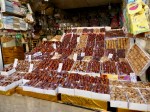
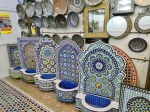
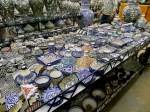
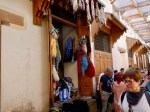
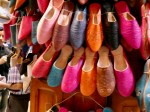
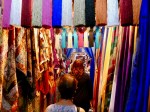
Being a now well experienced souk shopper, I hopped off the bus to explore the Grand Souk in Bur Dubai. The Indian stall holders were VERY intense and gave the Moroccan and Egyptian guys a big run for their money!!!!! It was a continuous run of “No thank you”, No thank you”, “No thank you!!!” Lots of beautiful items for sale and I did eventually relent for a shawl and dress – but I did bargain hard!!!!!!


The Burj Khalifa did not disappoint, I have to say. What an amazing construction!!!!!!! It was designed to be the centerpiece of a large-scale, mixed-use development to include 30,000 homes, nine hotels, 3 hectares of parkland, at least 19 residential skyscrapers, the Dubai Mall, and the 12-hectare artificial Burj Khalifa Lake. The decision to build Burj Khalifa was reportedly based on the government’s decision to diversify from an oil-based economy to one that is service and tourism based.
According to officials, it was necessary for projects like Burj Khalifa to be built in order to garner more international recognition, and hence investment. “Sheikh Mohammed bin Rashid Al Maktoum wanted to put Dubai on the map with something really sensational,” said Jacqui Josephson, a tourism and VIP delegations executive at Nakheel Properties. The tower was known as Burj Dubai (“Dubai Tower”) until its official opening in January 2010. It was renamed in honour of the ruler of Abu Dhabi, Khalifa bin Zayed Al Nahyan; Abu Dhabi and the federal government of UAE lent Dubai tens of billions of US dollars so that Dubai could pay its debts – Dubai borrowed at least $80 billion for construction projects. In the 2000s, Dubai started diversifying its economy but it suffered from an economic crisis in 2007–2010, leaving large-scale projects already in construction abandoned.
The Burj Khalifa set several world records, including:
- Tallest existing structure: 829.8 m
- Tallest structure ever built: 829.8 m
- Tallest freestanding structure: 829.8 m
- Tallest skyscraper (to top of spire): 828 m
- Tallest skyscraper to top of antenna: 829.8 m
- Building with most floors: 163
- World’s highest elevator installation (situated inside a rod at the very top of the building)
- World’s longest travel distance elevators: 504 m
- Highest vertical concrete pumping (for a building)
- World’s tallest structure that includes residential space
- World’s highest installation of an aluminium and glass façade: 512 m
- World’s highest nightclub: 144th floor
- World’s highest restaurant (At.mosphere): 122nd floor at 442 m
- World’s highest New Year display of fireworks.
- World’s largest light and sound show staged on a single building.


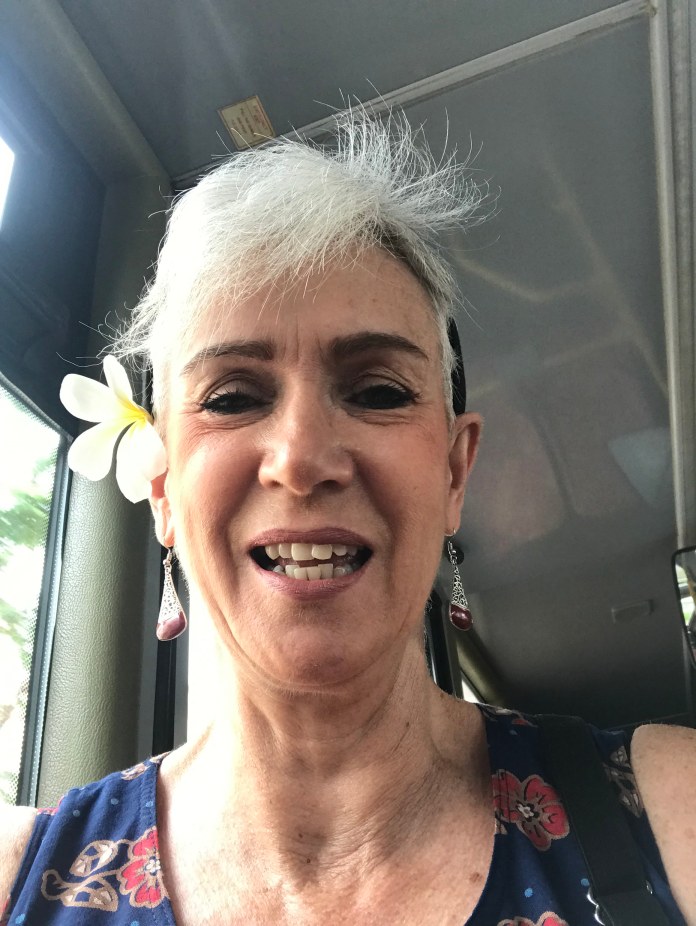
Having recovered my equilibrium, I ventured downwards to the fabulous Dubai Aquarium and Underwater Zoo. The Aquarium consists of a large tank measuring 51 metres long, 20 metres deep and 11 metres high. The 10-million litre Dubai Aquarium tank, located on the Ground Level of The Dubai Mall, is one of the largest suspended aquariums in the world. It houses thousands of aquatic animals, comprising over 140 species. Over 300 sharks and rays live in this tank, including the largest collection of Sand Tiger Sharks in the world. The Underwater Zoo showcases a variety of marine species in their natural habitats, and I thoroughly enjoyed the many and varied exhibits.


A couple of past educational coachees are currently working in the Victorian International School of Sharjah. VISS was established as a strong collaboration between the Victorian Government and the Emirate of Sharjah in the United Arab Emirates, based on shared education goals. The Victorian school model in was chosen as an international leader by the Emirate. The school began operations on 2 September 2007. A premium, not-for-profit international school which offers a rigorous academic programme for girls and boys aged 3-19. Victoria International School of Sharjah has a history of excellence in STEM, international studies, the arts, and community action. It provides a globally recognised international curriculum, ongoing assessment for continuous personal development, and, a rock-solid foundation that challenges and inspires students to make contributions to today’s interconnected world.
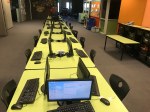
The Government of Sharjah owns and runs the school, which was built on land donated by His Highness Sheik Dr Sultan Bin Mohammed Al-Qasimi, Ruler of the United Arab Emirate of Sharjah. Though it is not a Victorian school, VISS is an outstanding endorsement for Victoria and highlights the international standing of the Victorian education system. The VISS operates according to the Victorian model of school education, including curriculum, pedagogy, assessment and reporting, and school accountability and improvement practices. The design of the learning environment at the VISS reflects contemporary Victorian practices in learning and teaching. It incorporates world-class school design and cutting edge facilities.
Victoria is a major source for teaching staff, as they’re highly respected for their teaching approach. All staff are directly employed by the Government of Sharjah. Victorian teachers can take advantage of a valuable professional development opportunity through working at the school and bringing their experience back into the Victorian system. I had a generous offer from past coachee and VISS Assistant Principal Lee Reich to take me out touring for the day. We stopped off at the VISS which is a very spacious and extremely well resourced C21st school. Fantastic facilities!! Even a swimming pool!
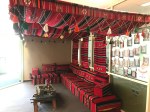
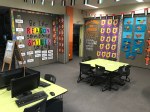
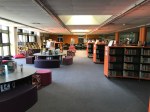
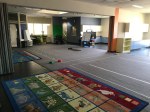


Lee drove me to Abu Dhabi which is the capital and the second most populous city of the United Arab Emirates (after Dubai). It is the largest of the UAE’s seven emirates and also capital of the Emirate of Abu Dhabi. Abu Dhabi city is on an island in the Persian Gulf off the central western coast, while most of the city and Emirate reside on the mainland connected to the rest of the country. As of 2019, Abu Dhabi’s urban area has an estimated population of 1.45 million, out of 2.9 million in the emirate of Abu Dhabi, as of 2016.
Abu Dhabi houses local and federal government offices and is the seat of the United Arab Emirates Government and the Supreme Oil Council. The city is home to the President of the UAE, who is a member of the Al Nahyan family. Abu Dhabi’s rapid development and urbanisation, coupled with the massive oil and gas reserves and production and relatively high average income, have transformed it into a large, advanced metropolis. It is the country’s centre of politics and industry, and a major culture and commerce centre. Abu Dhabi accounts for about two-thirds of the roughly $400 billion UAE economy.
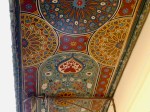
The Louvre in Abu Dhabi was an impressive architectural design as was the The Sheikh Zayed Grand Mosque which stands out as one of the world’s largest mosques, and the only one that captures unique interactions between Islam and world cultures. Sheikh Zayed’s vision for the Grand Mosque was to incorporate architectural styles from different Muslim civilizations and celebrate cultural diversity by creating a haven that is truly diverse and inspirational in its foundation. The mosque’s architects were British, Italian and Emirati, and design inspiration was borrowed parts of Turkey, Morocco, Pakistan, and Egypt among other Islamic countries, revealing a glistening architectural marvel with an astonishing capacity of 40,000 worshippers and visitors.


Well, Dubai certainly did not fail to impress. It is a city of forward planning and vision where the word impossible is irrelevant. Creativity of building design was gobsmacking and I loved the organisation and cleanliness of the place. There are lots of things to see and do. This city has many cultural and historical highlights, as well as all the glamorous modern add-ons and there is more to this city than just its flashy veneer.


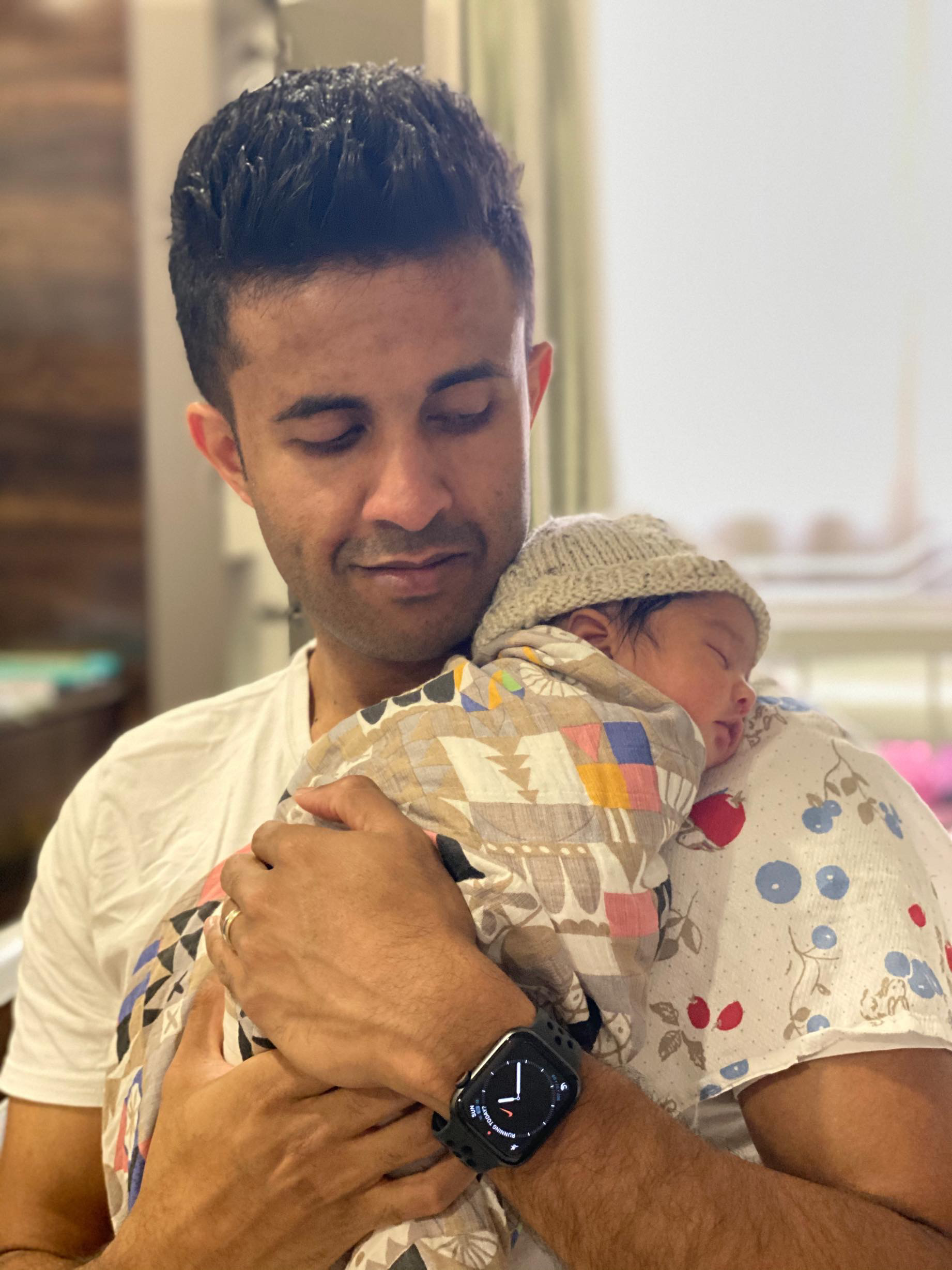
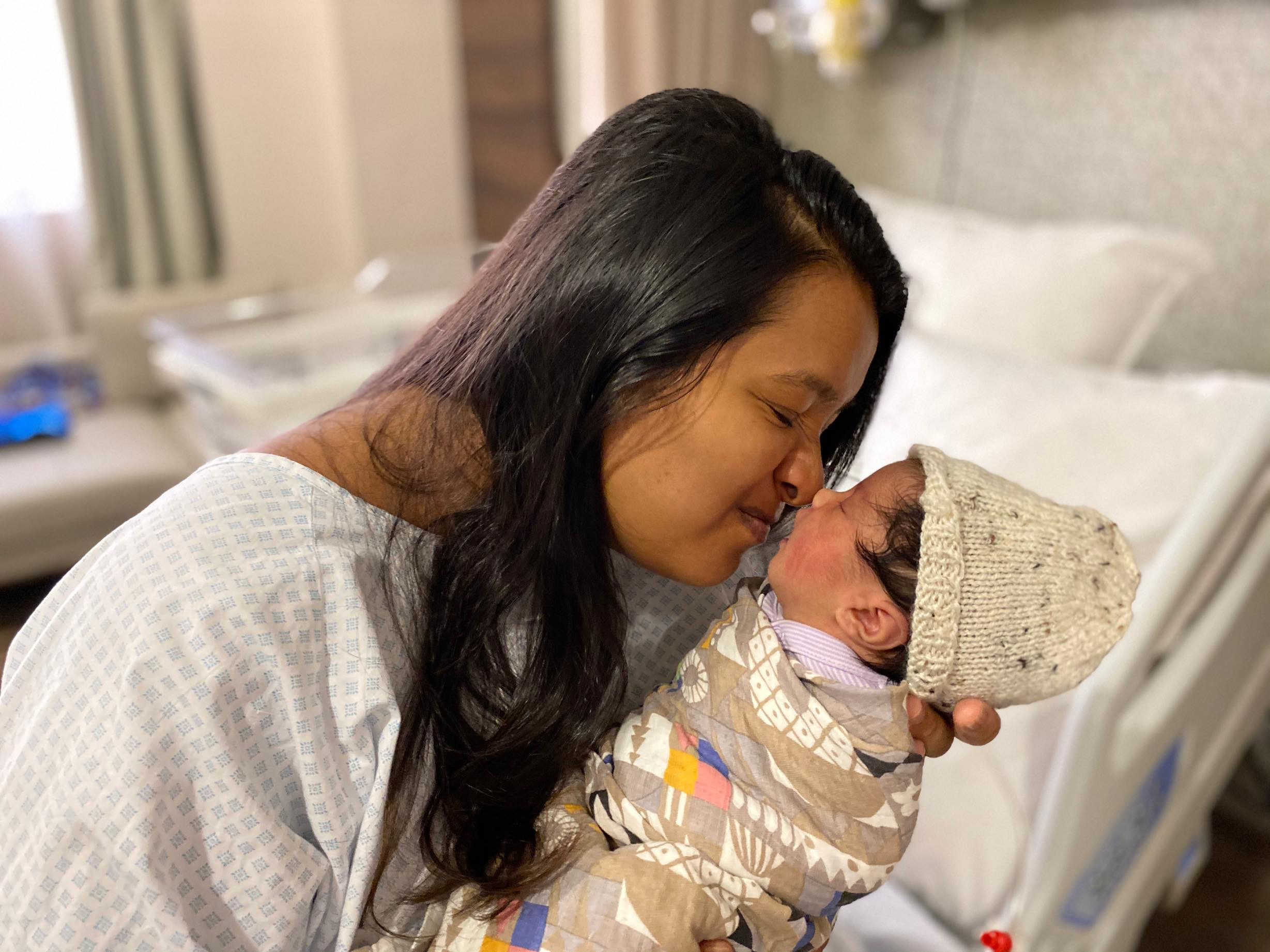
I also had the pleasure of catching up with another coachee, Sabe Gnanam, who is currently teaching at VISS. He has recently become an Apple Distinguished Educator and is doing really creative and engaging iPad activities with his students. He also became a dad to little Kaaviya very recently. He and Shiv are very proud parents. It was fabulous to see Sabe and hear all his exciting news, both personal and professional.

And so ended my six week Middle Eastern adventure. Lots of incredible sights and sounds mixed with some quite challenging aspects. I was ready to head back to Aus and feel very privileged and fortunate to be living where and as I do. It was certainly an eye opening trip as to how so many people in the world live their life and as Australians, we are indeed living in a very lucky country. Let’s look after it!!! Cheers Kim


















![IMG_6818[3]](https://i0.wp.com/kimrobtravels.blog/wp-content/uploads/2019/12/img_68183.jpg?w=344&h=459&ssl=1 "IMG_6818[3]")
![IMG_6851[2]](https://i0.wp.com/kimrobtravels.blog/wp-content/uploads/2019/12/img_68512.jpg?w=344&h=459&ssl=1 "IMG_6851[2]")
![IMG_6925[3]](https://i0.wp.com/kimrobtravels.blog/wp-content/uploads/2019/12/img_69253.jpg?w=460&h=345&ssl=1 "IMG_6925[3]")
![IMG_6930[1]](https://i0.wp.com/kimrobtravels.blog/wp-content/uploads/2019/12/img_69301.jpg?w=228&h=171&ssl=1 "IMG_6930[1]")

























































 Travel Adventures